Otis College Toy Design Instructor Markus Maciel Helps Students Turn Imagination Into Reality
The Toy Design alum draws on more than two decades of industry experience to help students of all ages create market-ready toys.
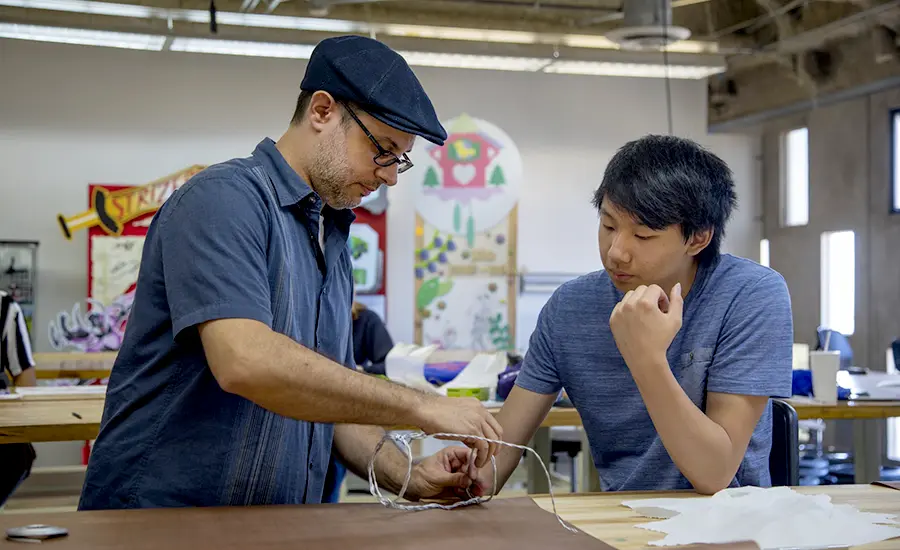
Even though he’s immersed in a world of make-believe, Markus Maciel (’01 BFA Toy Design) roots his work in real-life pragmatism. As an instructor in the Toy Design program at Otis College of Art and Design, Maciel helps students re-live their childhoods as they dream up toys to successfully launch to market.
“Toy designers have to balance imagination with real-world concerns,” he says. “You can dream up an amazing idea, but you also have to think about how it can be made, how much it might cost, what materials it uses, how durable it needs to be, and whether the feature is appropriate for the age range. That balance between creativity and reality is one of the things that makes toy design so interesting. You get to dream big, but you also learn how to bring those ideas into the world in a way that can actually work.”
Toy Design at Otis College is taught to a broad spectrum of students, from the BFA candidates in the undergraduate program—one of the only four-year, accredited BFA Toy Design degrees in the world—to high schoolers attending the Summer of Art program. Students can expect to learn how to research, generate ideas, sketch, refine a concept, think about how users will play with their design, and present their work clearly. “If you are interested in telling stories, building worlds, creating characters, or bringing ideas to life in ways that can inspire imagination and play, then toy design is a great place for you,” Maciel says.
State of Play
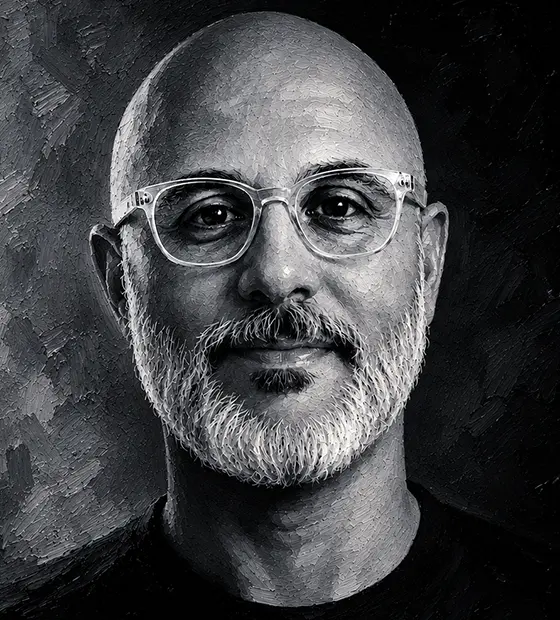
As an Otis Toy Design alum who has spent over 25 years in the industry, Maciel is well-versed in preparing students for the field. He got his first job at Mattel after graduating, working in the Hot Wheels engineering department. He then went on to work for such companies as Razor Scooter and International Toy before launching his own bespoke toy design company.
“For the first toy that I worked on professionally, I had just learned some of [Mattel’s] high-end engineering software and was tasked with creating the Saleen S7 1:16-scale Hot Wheels car,” Maciel says. “When I received the first model from the factory, it was exhilarating to see all of my work transformed into an actual toy. That Hot Wheels car still sits on my desk as a reminder that no matter how challenging something might be, pushing through it gives you the chance to learn in ways you may never have had the opportunity to do otherwise. That toy helped set the story of my career into motion, and I have never looked back.”
Maciel shares that he and his fellow Toy Design alumni still have “pinch me” moments when seeing their toy concepts on store shelves. “Even more meaningful is seeing a child run up to that toy and pick it up with excitement, knowing that you helped create it and bring it to life,” he says. “It reminds you that all the hard work and long hours can result in something that brings joy and lasting memories to someone’s life. That is pretty amazing.”
See Work by 2026 Toy Design Graduates
Maciel is continually inspired by the students he teaches. “What always impresses me is how quickly students begin to understand that a strong toy or product idea is not just about making something look cool, it’s about creating an experience,” he says. “Each year students blow me away with their ideas and creativity. Some have designed toys that address sustainability in thoughtful ways, while others have created unique twists on feature-driven toy concepts that offer new ways for kids to play.”
Maciel teaches an action figure studio in the BFA Toy Design program, as well as visual communication courses, helping students use tools like Photoshop and Illustrator to present their ideas clearly and professionally. “I also recently received a faculty grant to focus on artificial intelligence and explore how AI tools can support ideation, storytelling, and visualization, both inside and outside of the classroom,” he says.
A Creative Hub
Otis’s Toy Design program is housed on the top floor of Ahmanson Hall, a space filled with vibrant drawings, detailed models, prototypes, and large displays of student work. “Another thing people will notice, which is true of many spaces at Otis, is that the studios are open,” Maciel says. “This allows for collaboration between students, because design does not really grow in a closed environment; it thrives through collaboration, conversation, and seeing what others are working on.”
With a location in the hub of the nation’s toy design industry, with some of the biggest companies—Mattel, Spin Master, Jazwares, JAKKS Pacific, and MGA Entertainment—just miles away in El Segundo, Otis’s Toy Design program provides students with a direct link to the industry, as well as internship and job opportunities.
“The Toy Design program gave so much to me that I came back to teach, and I have been teaching here for over 21 years,” Maciel says. “That is a testament to Otis. It is an amazing school, and toy design is one of the most rewarding areas of design to pursue as a career. The program and the toy industry both function more like a family than anything else I have experienced professionally. I am proud to have been part of its early history and to continue being part of its growth.”
Register for Summer of Art’s Product and Toy Design I specialization course by June 23.
Explore Toy Design and other Summer Youth Camp classes, which run June 15–July 31.
More Information About Toy Design at Otis College
Related News
Chris Eckardt’s Ongoing 26-Year Commitment to Otis College Students
September 02, 2026