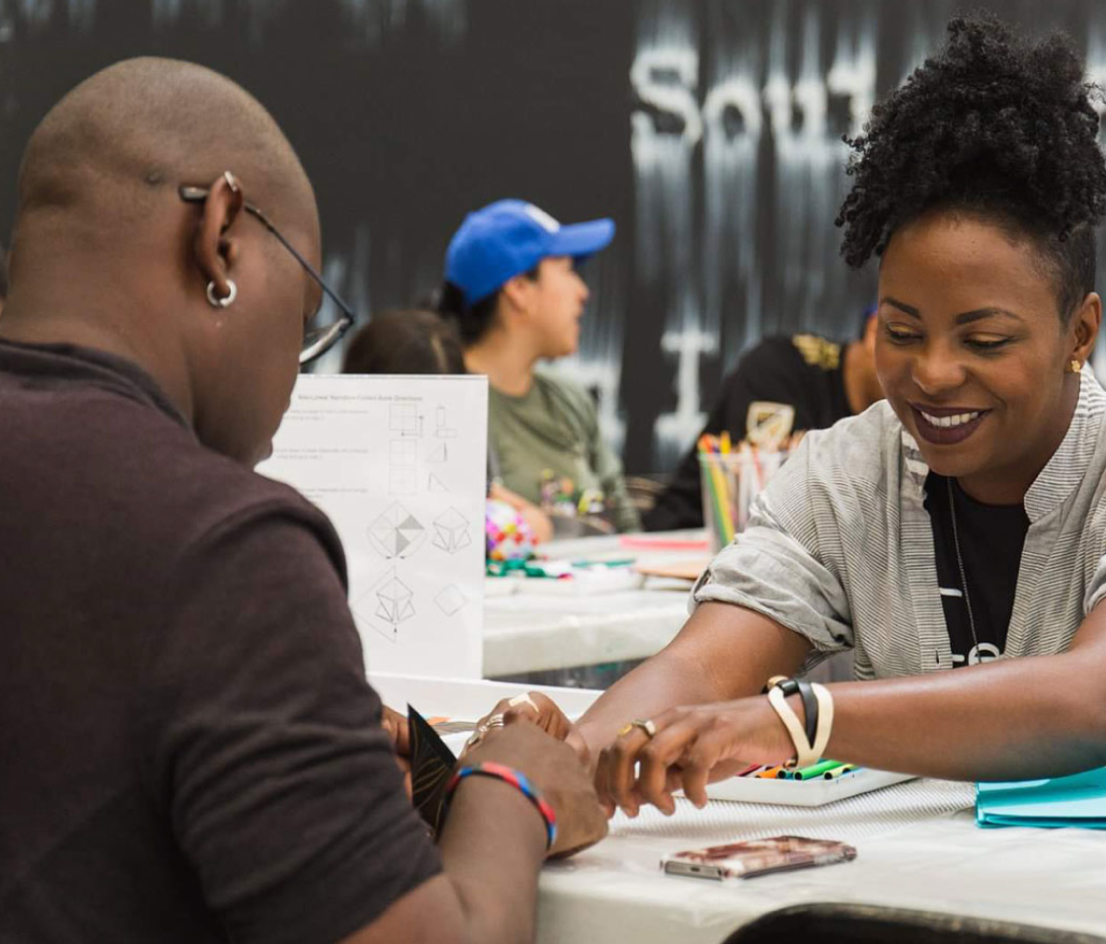
High School Students Get an Early Start on College Portfolios Through Summer of Art Program
“When students begin building their portfolio earlier in high school, they have more space to explore different mediums, receive feedback, and refine their work.”
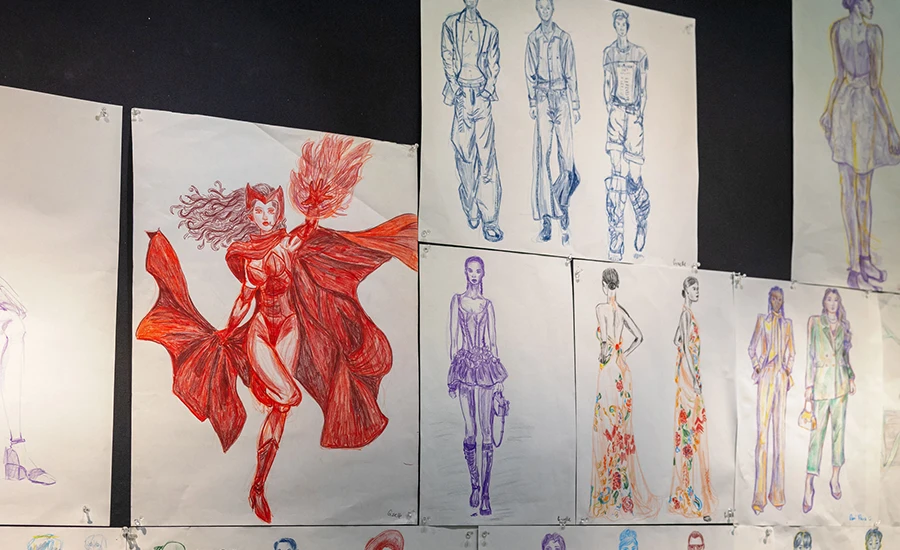
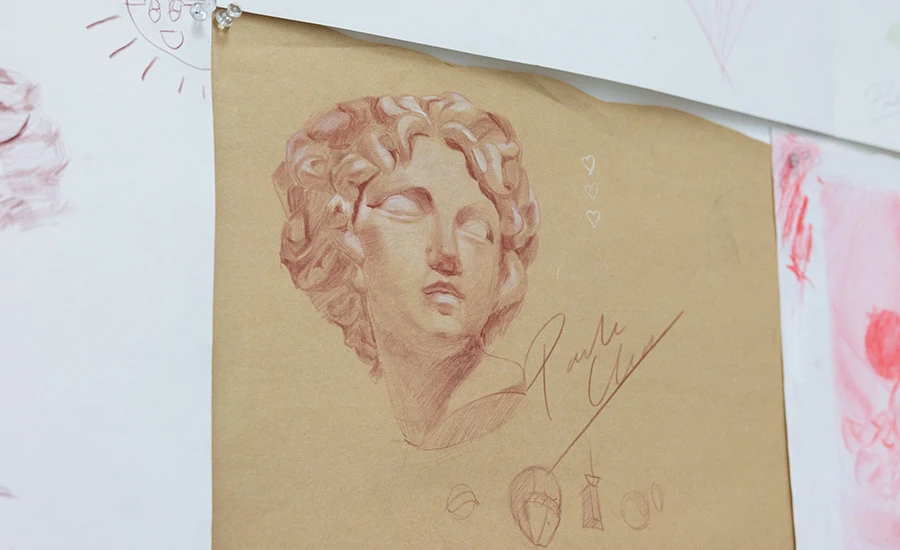
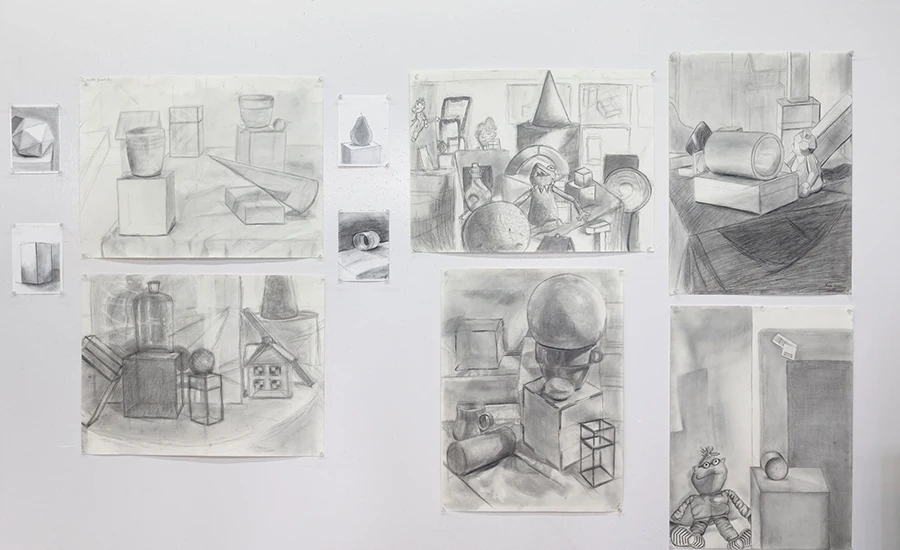
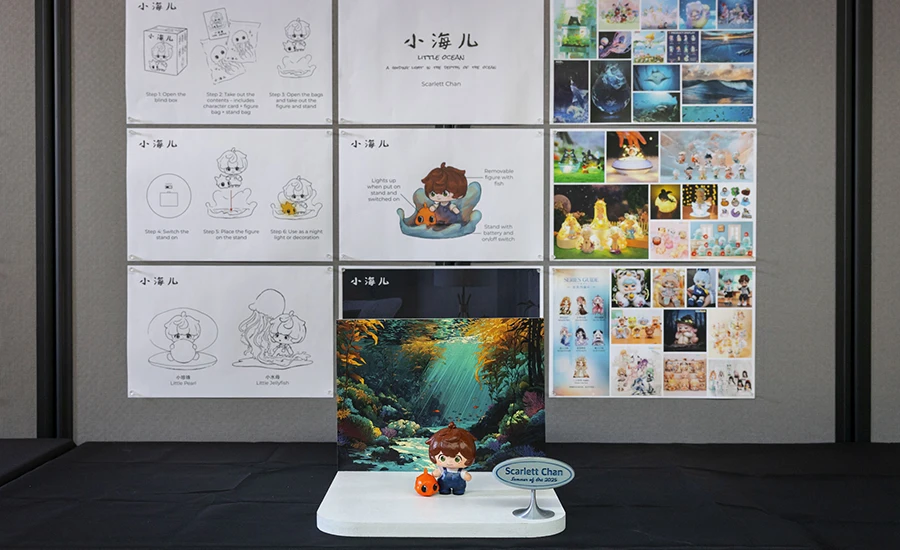
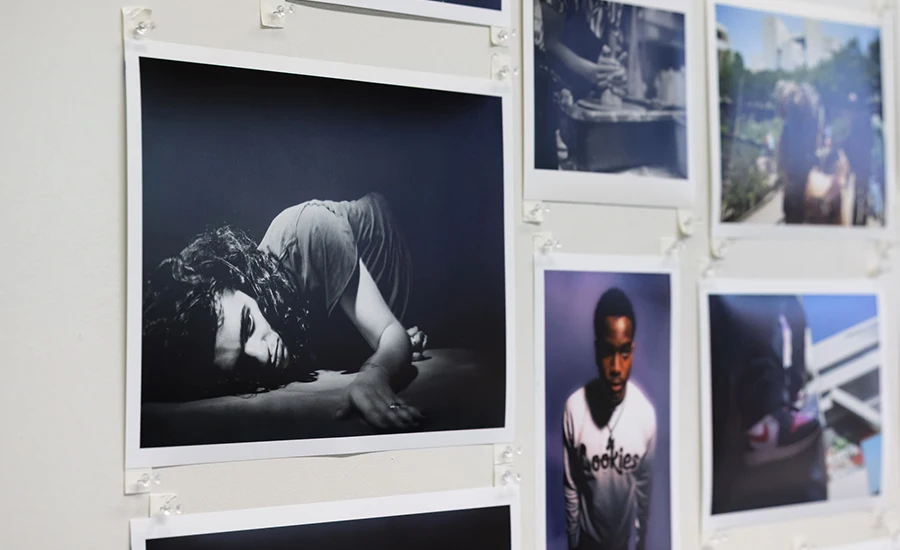
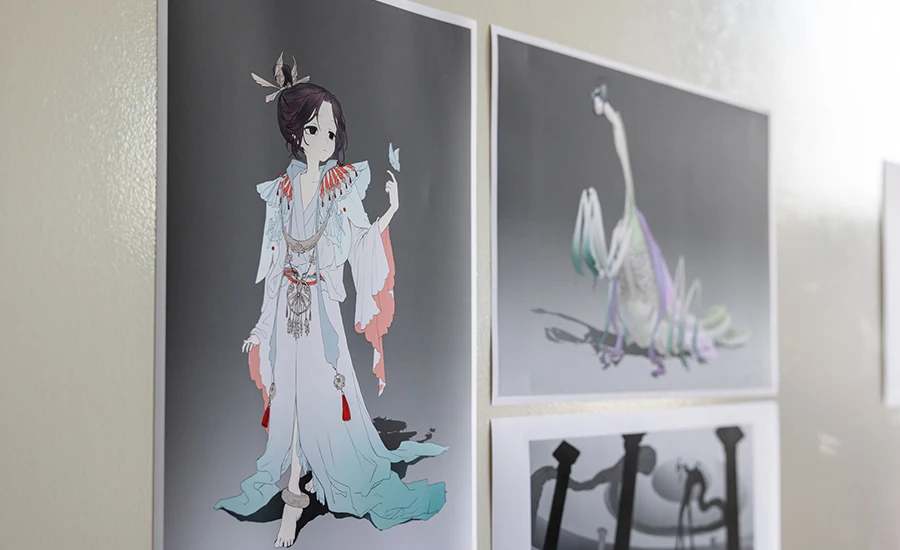
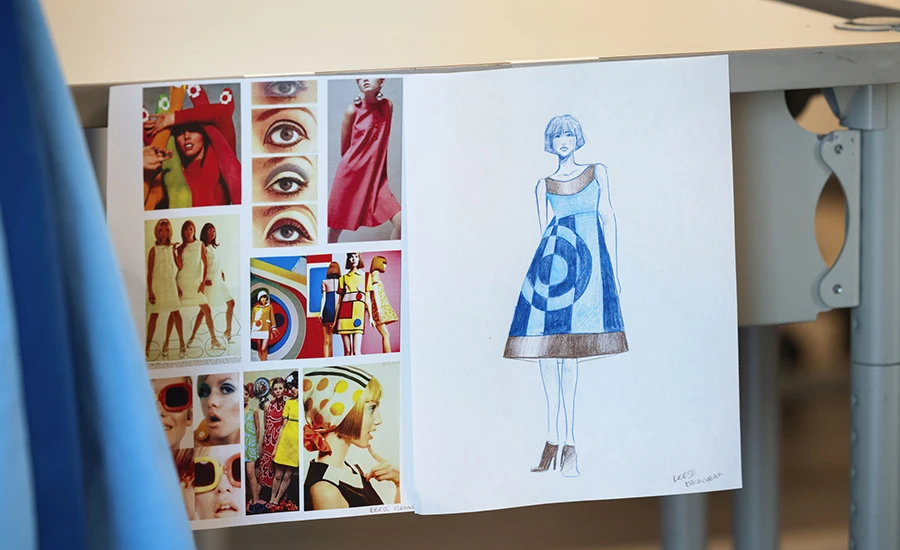
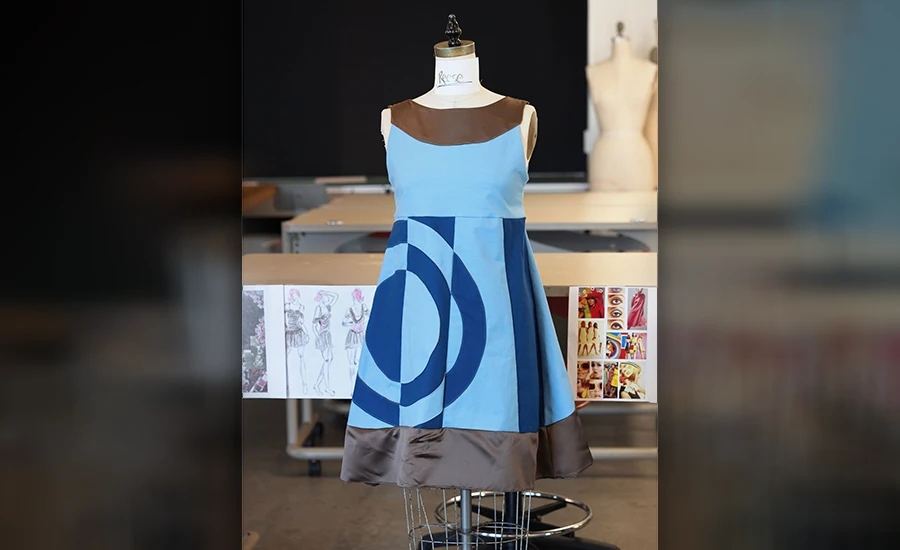
Prior Summer of Art student work. Photograph by Sarah Golonka/Otis College of Art and Design.
The cornerstone of an art and design college application is the portfolio, a curated collection of a student’s best work (think drawings, paintings, photographs, and digitally-created works). Like standardized test scores, transcripts, or the personal essay, a portfolio informs an admissions committee of a student’s skills, worldview, and aptitude for the rigors of college.
While creating and preparing the portfolio can be a lengthy, thoughtful process, it shouldn’t be intimidating. One way to manage the task is to start early.
Otis College’s Summer of Art program helps young creatives build a body of work that will be portfolio-ready. This four-week pre-college program aimed at high school students ages 14.5 to 19 allows them to explore college-level courses in art and design and refine their skills in a studio-based environment.
“When students begin building their portfolio earlier in high school, they have more space to explore different mediums and ideas, receive feedback, and refine their work, instead of rushing right before college applications are due,” says Alicia Green, Director of Youth Programming at Otis College’s Extension program, which oversees Summer of Art.
Portfolio requirements vary by school, but usually involve submitting images of at least a dozen original works that cover a range of mediums, subjects, and specifications.
At Otis, applicants have two options: an open portfolio or a structured portfolio. An open portfolio includes 10-20 images of a student’s best, most recent work in any medium. Applicants whose work is digital-, photo- or video-based are encouraged to include five examples of work in other mediums.
A structured portfolio includes work based on a set of prompts. One prompt is to create self-portraits or portraits of someone the applicant knows, not just focusing on the face, but including objects around them, the clothes they are wearing, or the environment in which they would be found. Another prompt is to tell a story related to an event or moment in the applicant’s life, or their own personal narrative. The third and last prompt is to create images that show places that are important to the applicant: interior spaces, exteriors of buildings, landscapes, cityscapes, or anywhere that is meaningful.
Portfolio Preparation
Summer of Art students spend part- or full-time days in an immersive, college-style studio environment, often combining a specialization like Fashion Design, Illustration, or Painting with a drawing studio. They work on hands-on projects, receive critiques, and develop pieces over time rather than just completing quick exercises. This studio-based structure, along with guidance from the practicing artists and designers who are their instructors, allows students to refine their technical skills and build thoughtful projects that can strengthen their portfolios for college applications.
Summer of Art students have opportunities to meet one-on-one with Otis Admissions counselors to have their portfolios reviewed.”
“Classes are structured around regular critiques, during which instructors provide feedback on technique, concept, and presentation. Students also learn from one another through group critiques and discussions, which helps them see different creative approaches and think more critically about their own work,” says Green. “Summer of Art students also have opportunities to meet one-on-one with Otis Admissions counselors to have their portfolios reviewed, ask questions about application expectations, and get guidance on selecting and refining pieces for art and design school applications.”
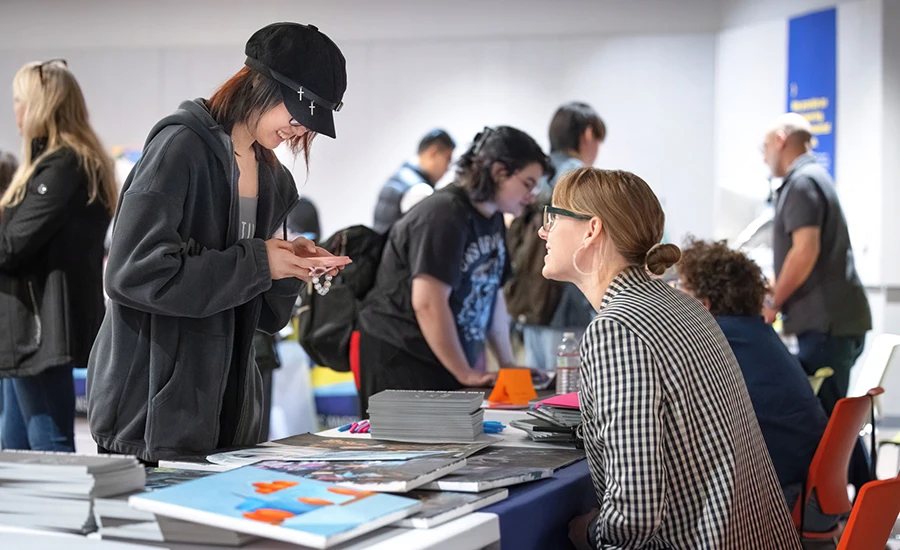
Executive Director of Admissions Pathways Courtney Richter advises a student during a National Portfolio Day event held at Otis College. Photograph by Sarah Golonka/Otis College of Art and Design.
The Otis College Admissions team also regularly participates in National Portfolio Day events, provides tips on portfolio reviews, and hosts portfolio development workshops along with one-on-one reviews.
“Getting an early start on their portfolio helps high school students better understand their own creative voice and interests, which can be incredibly helpful when researching colleges and deciding which programs are the best fit,” says Green.
Learn more about Summer of Art at Otis College.
Attend the next Portfolio Development Info Session on May 14, 2026.
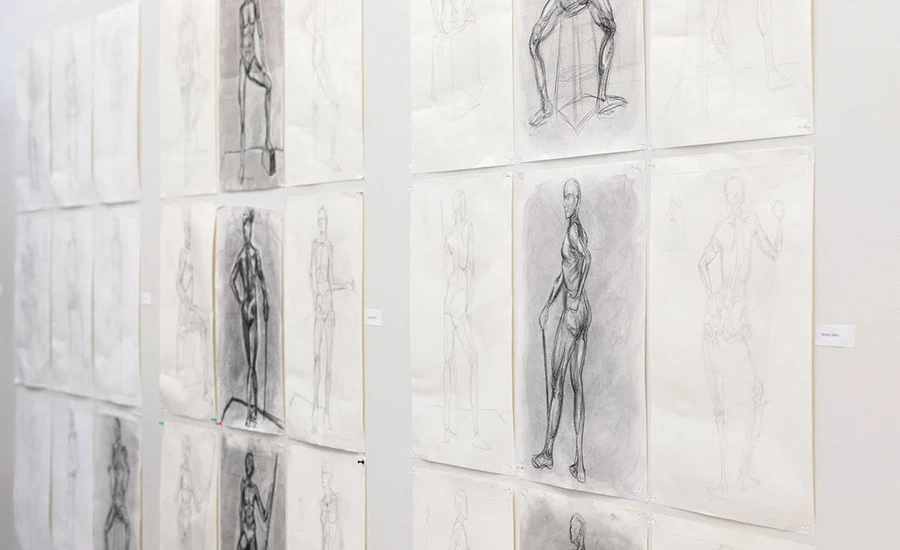
Prior Summer of Art Student Work
Related News

Fine Arts Chair Meg Cranston on the Legacy of Betye Saar
October 13, 2026

Where Otis College Students Find Inspiration in Los Angeles
October 09, 2026