Meet Neisha Tweed Bell: AI for Creative Professionals Instructor and Meta Veteran
The Otis Extension instructor has over 20 years of experience as a creative director and educator.
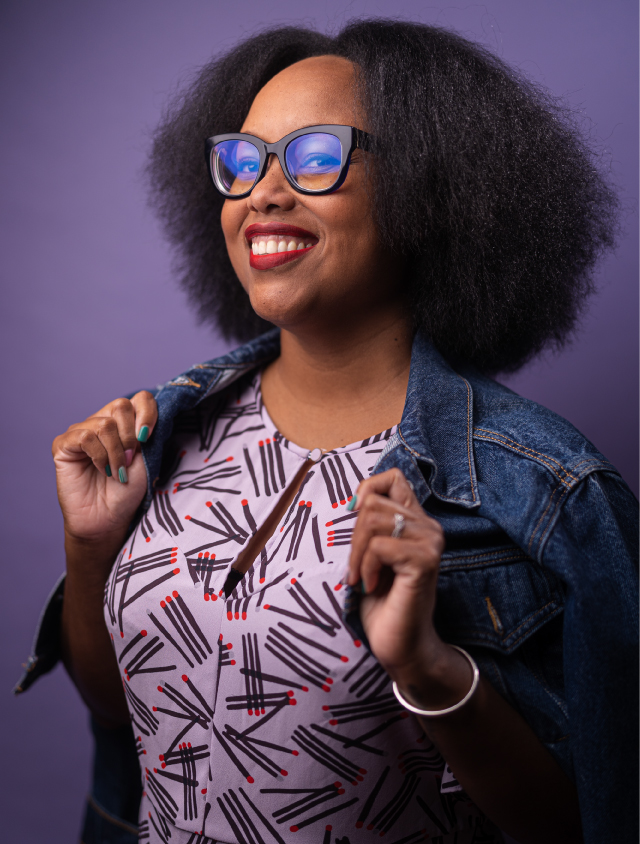 Neisha Tweed Bell knows how to leverage her creativity with technology. With over
two decades of experience as an award-winning executive creative director and strategist,
she has helped build campaigns and creative systems at Meta, Publicis, and other Fortune
500 companies, turning emerging opportunities into million-dollar growth.
Neisha Tweed Bell knows how to leverage her creativity with technology. With over
two decades of experience as an award-winning executive creative director and strategist,
she has helped build campaigns and creative systems at Meta, Publicis, and other Fortune
500 companies, turning emerging opportunities into million-dollar growth.
Bell teaches in Otis Extension’s newest offering, AI for Creative Professionals, an accelerated two-course certificate program designed for emerging and mid-career creative professionals interested in using AI tools. In this program, students learn how to move from experimentation to practical application, using AI to support ideation, visual exploration, creative direction, production workflows, and project execution.
The certificate is composed of two online courses that can be completed in approximately eight months. In Creative Direction for AI, which Bell teaches, students learn prompting strategies and how to critically evaluate AI-generated content. In AI Tools for Creative Production, they explore AI tools while remaining grounded in originality, authorship, and ethical practice.
Bell recently shared more about the program and how she approaches the curriculum.
Who is the AI for Creative Professionals accelerated certificate suited for?
It’s for any creative professional who wants to leverage AI to make their work better—designers, writers, art directors, photographers, marketers, filmmakers, entrepreneurs, or someone making a first move into a creative career. You don’t need to worry about the technical part; the class focus is on creativity, strategy, and quality.
What experience do you bring to this program?
I worked for 20-plus years as a creative director—eight of them at Meta and Facebook. I spent a good chunk of my career exploring emerging technology and developing playbooks and best practices. Now I teach people how to work with AI to get better creative outputs and create more time and space for creative exploration and imagination.
In this program what’s the balance of learning specific skills versus career readiness?
This is not a prompting class. Students build real skills focused on creative direction and how it’s applied to AI tools: how to brief, build workspaces, lock a visual style across images and video, and figure out how to make anything your imagination may come up with. The AI tools and platforms are evolving fast, but the skills of creative direction will always apply. I want students to leave with more than a stack of prompts. I want them to know how to creative-direct AI in a way that protects what makes their work theirs.
How important is it for creative professionals to stay current with changing technology?
It’s important, but nothing to panic about. I check what’s new in the field about once a month and ask whether it’s actually useful before I let it near my workflow. Nobody needs to chase every release. What you need is enough fluency to tell what’s genuinely useful from what’s just new, and enough judgment to know when a human still has to lead.
What do you enjoy most about teaching Extension students?
They bring real work and real stakes into the room, so none of this stays theoretical. Extension students are usually juggling a career, a pivot, a business—sometimes all three—which means they’re testing what they learn on Monday and reporting back on Friday. I also love watching someone go from “this feels like cheating” to “I can do things now I genuinely couldn’t do before.”
More on the AI for Creative Professionals Certificate Program.
Related News
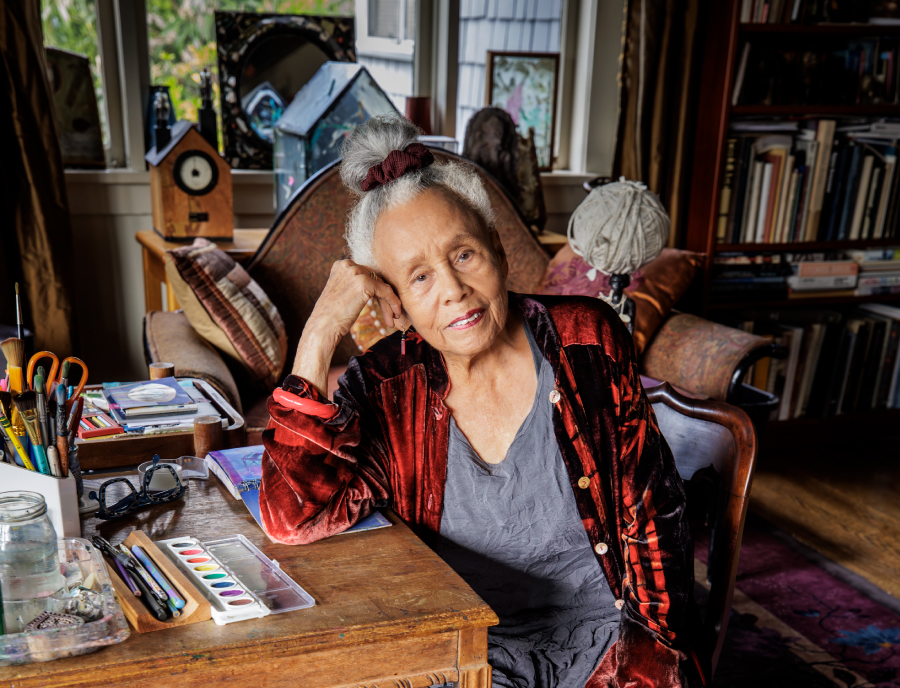
Fine Arts Chair Meg Cranston on the Legacy of Betye Saar
October 13, 2026

Where Otis College Students Find Inspiration in Los Angeles
October 09, 2026
From Gaming Together at Otis College to Building a Business
September 30, 2026